

Message from the board of directors
Fraser Valley Aboriginal Children & Family Services Society
Sqwélqwel - Xyólheméylh Summer 2026 Newsletter
Board President Angelina Bowen
In May, Xyólheméylh, along with our partners in the Our Children Our Way Society, recognized First Nations in Manitoba for a significant legal victory related to child welfare rights and jurisdiction.
The Court decision confirmed that First Nations have constitutionally protected rights to raise and care for their children in ways that reflect their cultures, languages, traditions, and communities. The ruling also found that government systems and funding approaches contributed to the unnecessary removal of Indigenous children from their families and communities over many years.
This decision reinforces the importance of:
- Keeping children connected to family, culture, language, and community
- Supporting Indigenous approaches to child and family well-being
- Recognizing the rights of First Nations to lead and design services for their children and families
- Continuing the work toward self-determination in child welfare systems
As an Indigenous Child and Family Service organization, our role has always been to support Indigenous children and families while First Nations continue building the capacity, authority, and systems needed to fully exercise jurisdiction over the care of their own children and communities.
This decision is also an important reminder of the value of culturally rooted care, prevention, family preservation, and community leadership in the work we do every day.
Wásems ’íksduqʷia – Angelina Bowen
President, on behalf of the Board of Directors
Message from Executive Leadership Team

ELT - Laura-Dawn Wilkin, Rod Spitzig, Teressa Galis
Spring and summer at Xyólheméylh is a busy time of year, with many events that take advantage of the warmer weather and allow us to connect with our community partners and caregivers.
On April 30 Xyólheméylh held its Staff Appreciation event at Shxwhá:y Village. We celebrated staff with service milestones, honoured retired staff for their service and shared a meal. Thank you to all our wonderful, dedicated staff!
On July 16 we will be celebrating our caregivers at our annual Caregiver Fun Day event at Tzeachten Sports Field in Chilliwack. We hope to see you there (details are below in the Upcoming Events section of this newsletter.)
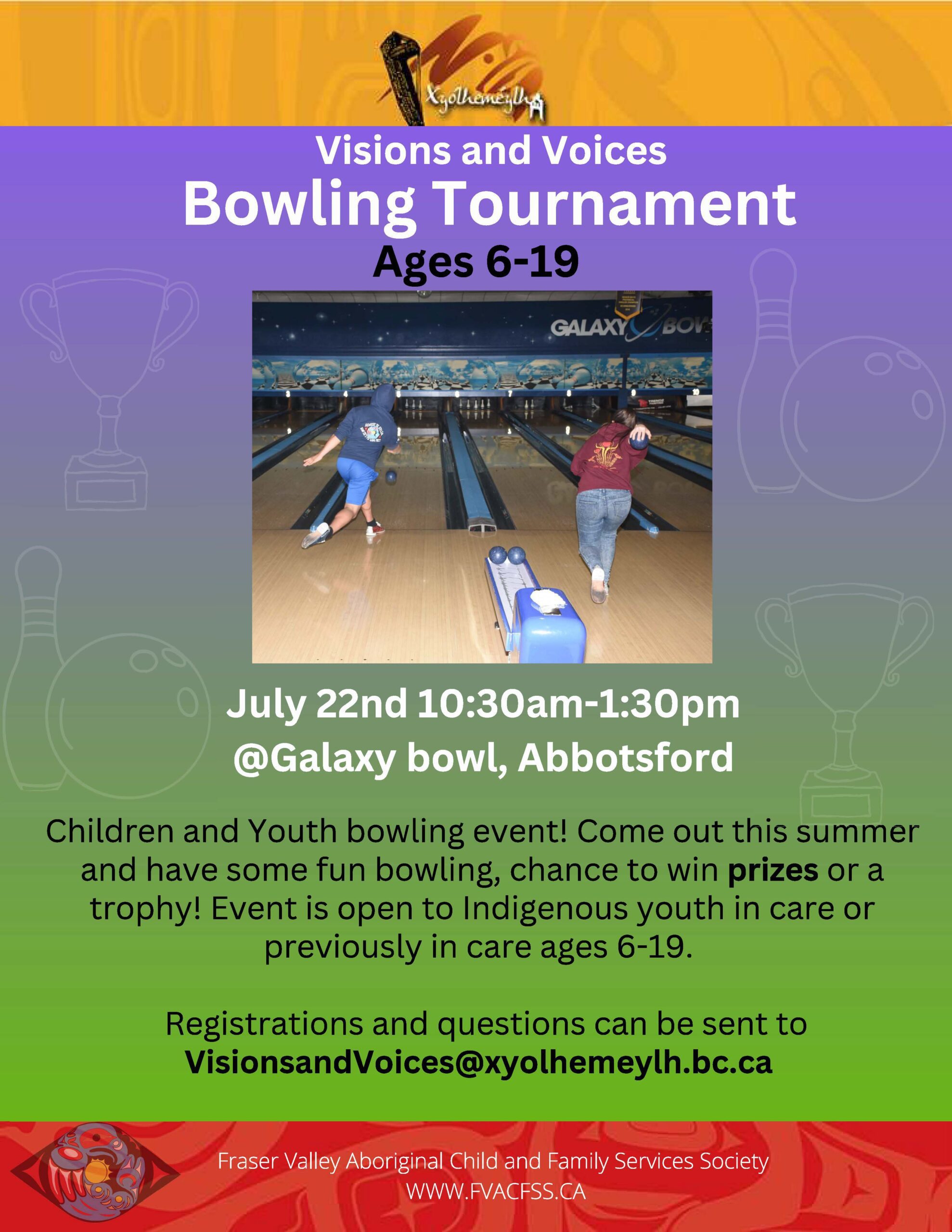
We also have a number of fun events for children and youth, including Learning to Fish lessons, our annual Waterpalooza, a Bowling Tournament and much more. The details for these events are also below.
In other news we have engaged Deetken Insight, a Vancouver-based strategic advisory firm, to conduct an Operational Review of our Delegated Services. This review is something we have been planning for some time, and we are excited to move forward with it.
We know that many of our staff experience significant workload pressures, and we want to better understand the systems, processes, and structures that shape their day-to-day work. The review is about taking an honest look at how our organization operates and identifying practical ways to better support our staff and the families we serve.
The review will assess our operations across five areas: efficiency, effectiveness, adaptability, sustainability, and service quality. The goal is to develop actionable recommendations that will help us reduce organizational strain and position our organization for long-term success.
ELT – Laura-Dawn Wilkin, Rod Spitzig and Shoy:etelwet - Teressa Galis
Meet an elder: dawn johnson
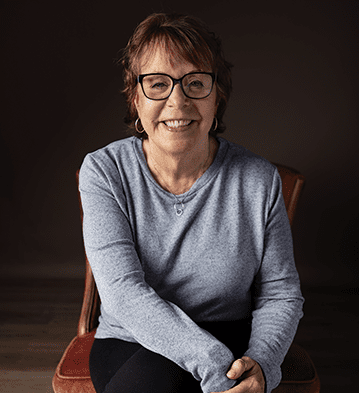
Dawn brings a desire to stay connected to her Métis culture in her role as a Xyólheméylh Elder. “What I’ve learned along my life’s journey so far is to appreciate my Métis culture, keeping it close to my heart so I am able to pass on things I’ve learned from my Elders and continue to learn. My desire, my aspiration, is to understand and stay connected to my culture. I’d like to contribute with what I’ve learned, to keep learning and give back,” says Dawn.
Dawn was born in St. Boniface, Manitoba. Her Métis descendants are Ojibwe which is part of the larger Anishinaabe First Nation. She has one daughter and four grandchildren who live in Newfoundland. She is thankful for Facetime to stay connected until she can visit them.
Through marriage she lost the connection of her Indigenous culture. “When I was younger my mixed heritage always made me feel I didn’t fit in anywhere until I learned to embrace the diversity of my different heritages. I felt blessed and thankful for them all,” says Dawn. “I believe there are many people, young and old, that are in the same situation of feeling they don’t fit in. It is everyone’s responsibility to cultivate a strong and healthy sense of belonging.”
Dawn managed the family’s business of commercial printing for many years, a very high stress business, meeting deadlines frequently. Then she made a huge career change into women's health and fitness until retiring in 2013.
She reached out to her Métis community when she moved to BC. She embraced it with pride and was accepted with open arms and was President of the Fraser Valley Métis Association for over five years.
She enjoys being an Elder at Xyólheméylh “So many people need help. Xyólheméylh is a big part of the healing,” says Dawn. “It’s nice to see the successes that Xyólheméylh has helped bring about. I am forever grateful to listen, learn and share as I walk this path.”
From Darkness to Light: Houston's Story
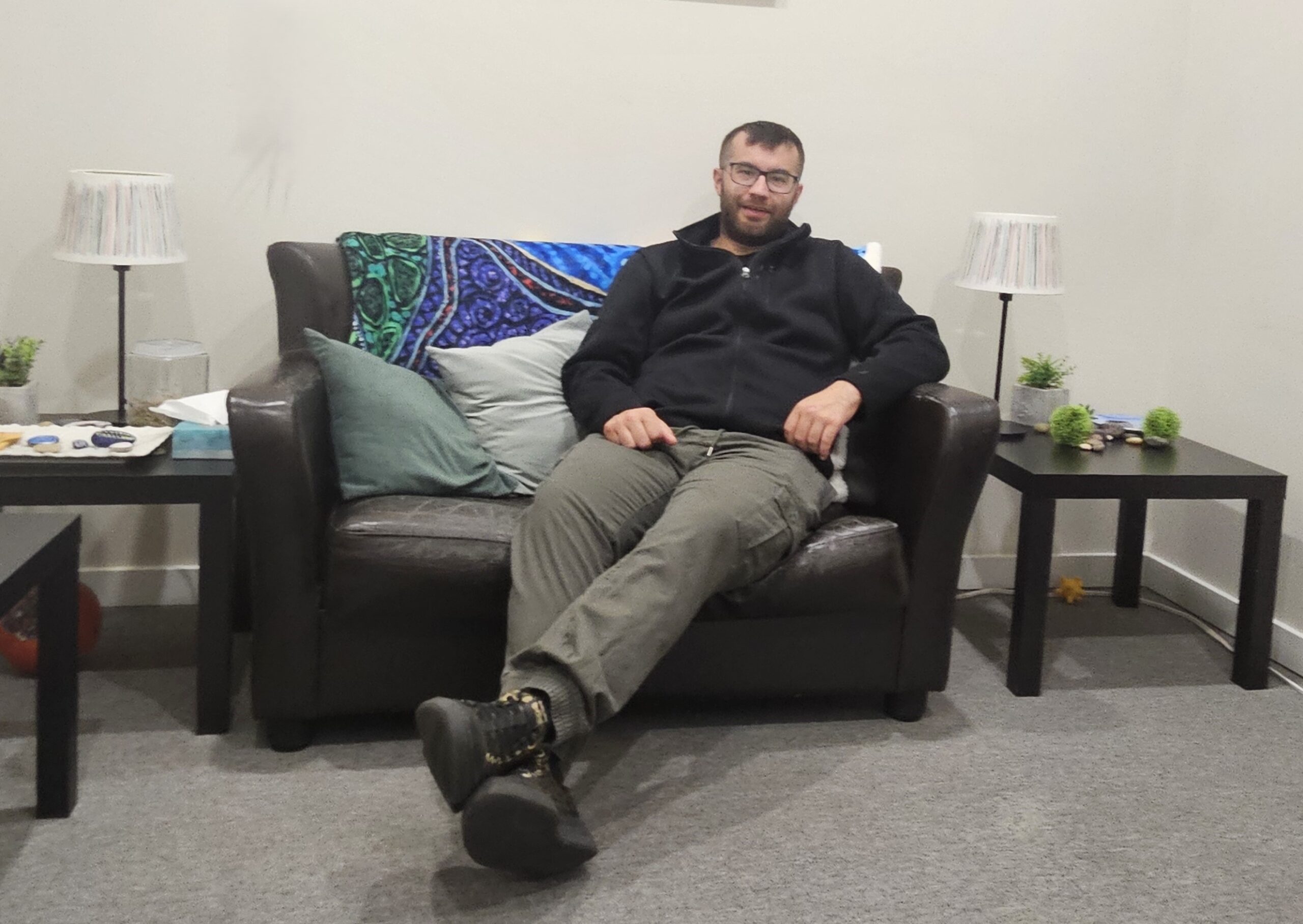
Houston
For a long time, Houston felt like he was losing himself.
Addiction had taken over his life. He moved from community to community, spent time in and out of jail, and struggled to cope with trauma, anger, and substance use. Over time, drugs became more important than taking care of himself or being there for his family.
“I was always out getting high instead of taking care of my baby boy,” he said.
Life felt heavy and out of control. But things began to change when Houston realized he might lose the chance to be present in his son’s life.
The turning point came after a safety planning meeting involving Houston, his partner, and their son. It was there that he connected with Elder Greg and the Xyólheméylh team.
“In that meeting, I remember feeling hope,” Houston said. “There was no judgment. Elder Greg saw the good in me and made me feel safe.”
It was then that Houston was encouraged to join the Men’s Wellness Group. At first, he was unsure if it would help, but he decided to give it a chance. Through the group, he began learning more about himself, his trauma, and the long-term effects of addiction. He also learned something he had not felt in a long time: He felt that change was possible.
Houston made the decision to enter treatment and says one of the hardest parts was accepting that addiction had taken control of his life.
“I knew if I didn’t deal with it, it would creep back up and take me out,” he said.
Today, Houston is focused on building a different future for himself and his family. He completed treatment and was accepted into the Purpose Project at the University of the Fraser Valley, where participants learn construction skills while also working on recovery, healing, and accountability.
Life today looks much different than before.
“We do more family things now,” he said. “Going for walks, watching my son play, getting coffee together. My family can rely on me now.”
When asked what “From Darkness to Light” means to him, Houston describes addiction as being trapped in a dark tunnel.
“The farther down you go, the darker it gets,” he said. “Now I feel like I’m in the light.”
Houston hopes others who are struggling know they are not alone.
“Don’t be afraid to reach out,” he said. “Asking for help doesn’t make you weak.”
Meet a visions and voices youth: anastasia sedore

Anastasia Sedore, who is Ojibwe, entered foster care when she was just three years old. She describes her experience in care as "turbulent," spending time in more foster homes and group homes than she can count. At 12 years old, she was separated from her younger brother when their foster parent chose to keep him but not her.
"I spent a lot of my childhood feeling confused, lonely, and wondering why I wasn't enough to be loved," says Anastasia.
Growing up, Anastasia wasn't as connected to her culture as she would have liked and only began reconnecting with it in her later teen years. After experiencing abuse in a foster home, she entered into an Independent Living Agreement at 16. Around that time, her best friend's family welcomed her into their home and showed her the unconditional love and stability she had longed for.
"They gave me the kind of family I always dreamed of having. They helped me believe that my past didn't have to define my future."
Determined to break the cycle, Anastasia committed herself to healing through therapy and became sober while rediscovering her identity through both her faith and her culture. Although her father passed away when she was 13, taking much of her family history with him, she has recently reconnected with his relatives and is continuing to learn more about her Ojibwe roots.
Anastasia became involved with Visions and Voices in the spring of 2025 and continues to be an active member today. She says the program has given her the opportunity to advocate for youth currently in care and be the supportive adult she always needed growing up.
"Having my voice heard heals my inner child. I get to look out for youth the way I always wished someone had looked out for me."
Today, Anastasia lives independently and works two jobs, including planning and coordinating events. Inspired by mentors she has met through Visions and Voices, she plans to attend university to pursue event coordination as a career. She hopes to continue growing in her faith, deepen her connection to her culture, advocate for youth in care, and build a peaceful, stable future for herself and her future family. In her spare time, Anastasia enjoys beading, hiking, attending cultural events through Xyólheméylh, camping, swimming, and spending time in community.
Her advice for youth in care is simple: "Don't let anyone silence you. Take up space. Be brave and advocate for yourself. Ask for help when you need it—you never know what opportunities or support are available unless you ask. If you feel like your voice isn't being heard, remember that you can contact the Representative for Children and Youth (RCYBC). There are people who will listen. Your voice matters, and you are worthy of a beautiful life."
"I've been stripped of a lot of things in my life, but no one can ever take my determination, my resilience, or my kind heart."
visions and Voices spring wrap-up
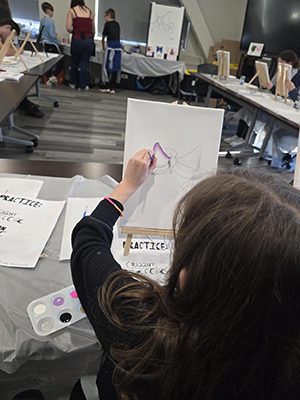


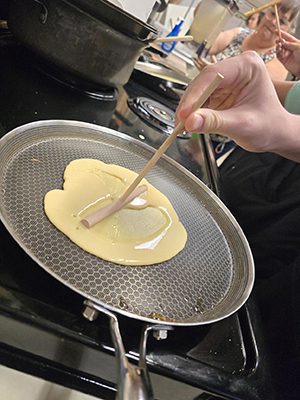


This past spring we offered numerous workshops and events for children and youth. Some of the events included: a Coast Salish artwork classes for children age 6 to 12; Moccasin Making and Soapstone Carving workshops; and Kitchen Skills workshops.
Men and women's wellness groups


Men’s and Women’s Wellness Program
Xyólheméylh honoured participants in their 12-week Wellness program this May with separate ceremonies at the Semá:th Longhouse at Sumas First Nation. Participants were honoured with a blanketing ceremony and words of praise and encouragement for the work they did on their journeys towards wellness and healthy relationships.
The program focuses on dealing with issues that prevent healthy relationships – childhood struggles, attachment and abandonment issues, and not having a voice. This work is done under the mentorship of Elders and the integration of Indigenous culture as integral to the healing process. The program has been growing since it was introduced a few years ago. Last year there were four groups with 34 men and women graduating from the program.
Through participation, families are introduced to traditional ways of healing and resiliency. They also build connections to local communities, cultural teachers, Elders, Knowledge Keeps and leaders, as well as create a community of support through peer relationships.
“It’s amazing to see the growth over the 12 weeks,” says Elder Louise Silver Kaarmaker. “At first there was very little speaking but the last few weeks you couldn’t shut them up. They found their voice,” says Louise.
The work has manifested positive results in the lives of the men and women. In this recent group of 13 women who participated, one woman got her child back into her custody, with another mother looking forward to being reunited with her children.
“I really want to raise my hands to the community coming together to honour these women for improving themselves,” said Sumas elected counsellor, Troy Ganzeveld. “By improving themselves they are improving everyone around them.”
“The ancestors are cheering you on,” said ceremony Witness Matthew Schell. “It’s a brave thing you did, to dedicate 12 weeks of pouring your heart out … when times get tough you can pull that blanket out and it will be like a warm hug.”
“Over the past 12 weeks, I’ve watched you build genuine community with each other, and it’s been so meaningful to witness. One of the greatest lessons we’ve learned is that this journey through life is meant to be done together,” said Cristina Silva, Xyólheméylh staff member.
Thank you to all the dedicated Xyólheméylh staff and Elders who made a meaningful difference in the lives of the men and women who participated in the program.
National Indigenous Peoples day art contest
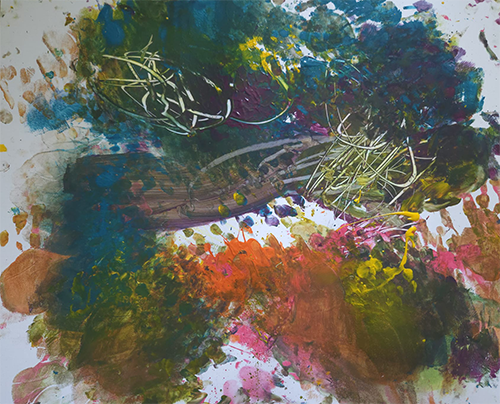
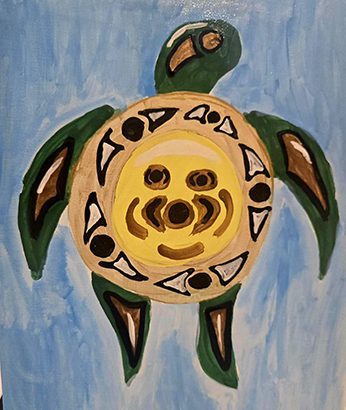

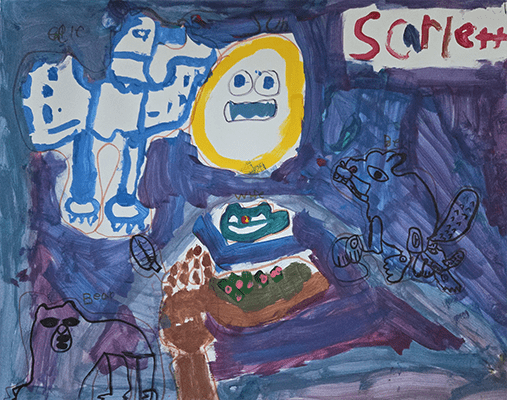

Every year we run a National Indigenous Peoples Day art contest, asking children and youth to express what being Indigenous means to them. We use the art in our publications and greeting cards throughout the year. Thank you to all the amazing children and youth who submitted their art - your gift cards should be coming shortly!
upcoming events


upcoming events

upcoming events

upcoming events

upcoming events
upcoming events

upcoming events

upcoming events

upcoming events

upcoming events
